
Tag: Hindutva
-
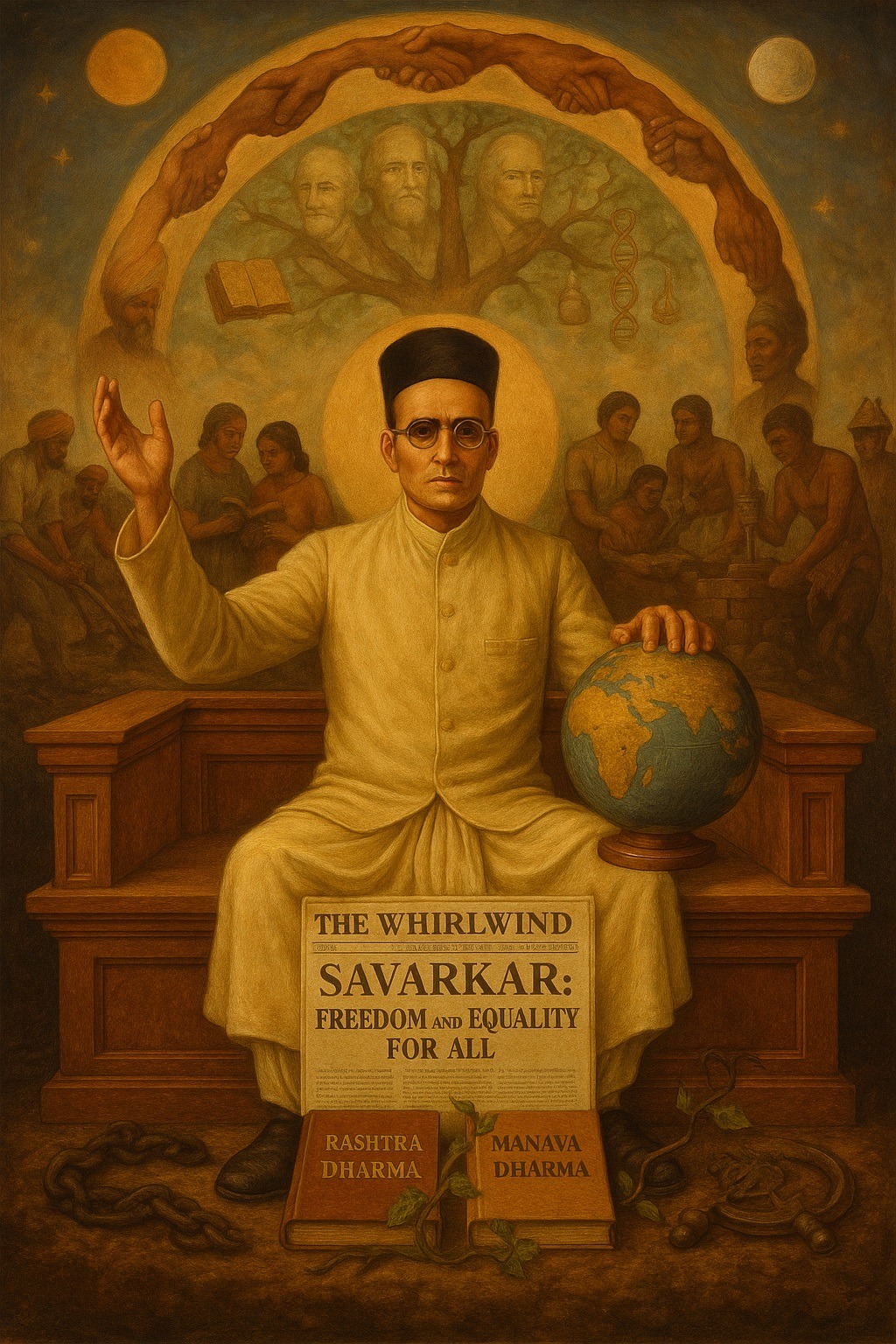
Savarkar’s Philosophy & Worldview, Part 12; Savarkar’s Five Philosophical Dimensions (5/6) Vinayak Damodar (Veer) Savarkar embedded a profound sense of realism in his philosophy. Beyond mere pragmatism, his worldview was rooted in adaptability, acknowledging that no ideology, institution, or tradition is universally applicable across all times and circumstances. His understanding of human behavior was dynamic—what…
-
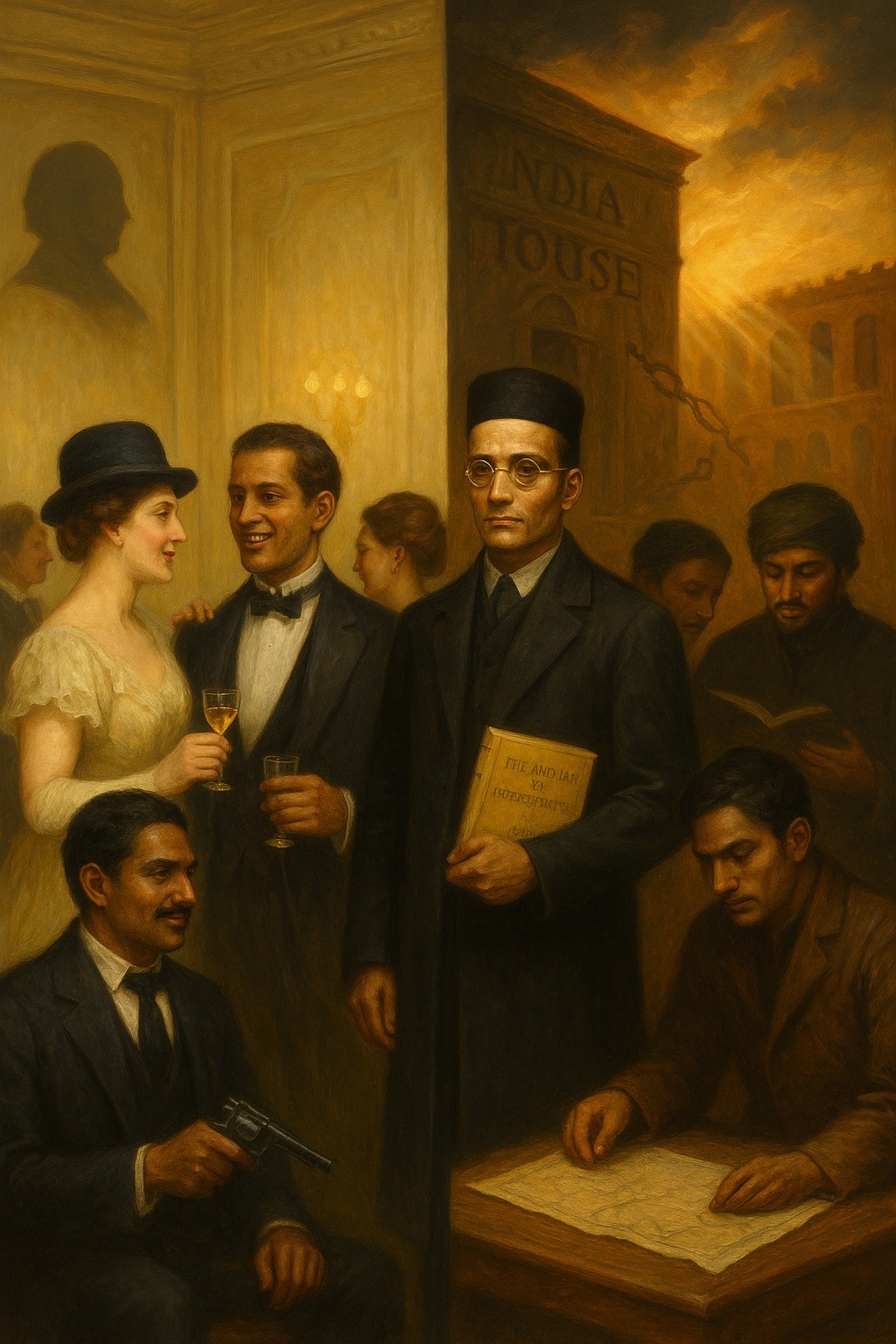
When Vinayak Damodar (Veer) Savarkar arrived in London in 1906, he stepped into a diverse Indian student community. Some of them were already politically conscious but not yet revolutionary. Another major part of the Indian students, which were actually the majority, prided themselves on being more English in their make-up and mind than Englishmen themselves.…
-

In the historiography of India’s struggle for independence, references typically focus on imprisonment, exile, or capital punishment as instruments of colonial repression. Less frequently noted, however, is the annulment of academic qualifications as a form of political sanction. The case of Vinayak Damodar (Veer) Savarkar (1883–1966) stands out in this regard: he became the first…
-
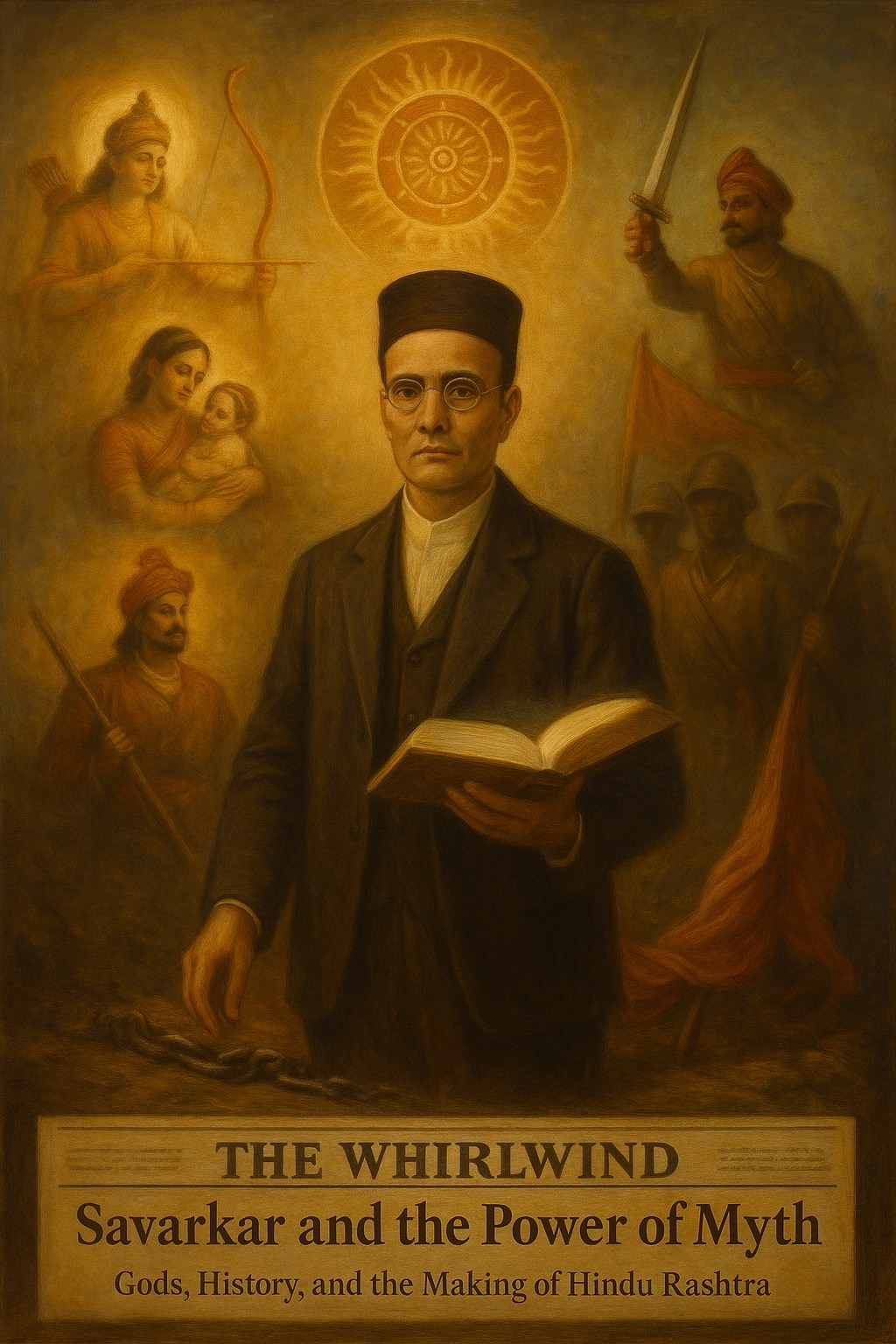
Savarkar’s Coding of Hindutva; Metacode Rashtra, Part 9; Code Mythos (2/20); Codeelement Hindu Pantheon When we think of Vinayak Damodar (Veer) Savarkar, we often picture the fiery nationalist, the revolutionary in exile, or the thinker behind the idea of Hindutva. But one of the most fascinating aspects of his thought is how he used myth…
-

Savarkar’s Coding of Hindutva; Metacode Rashtra, Part 8; Code Mythos (1/20) When we hear the word myth today, we often think of stories that are not meant to be taken literally—legends with little claim to truth. Yet myths can do far more than entertain: they can inspire fascination, bind people together, and create a sense…
-
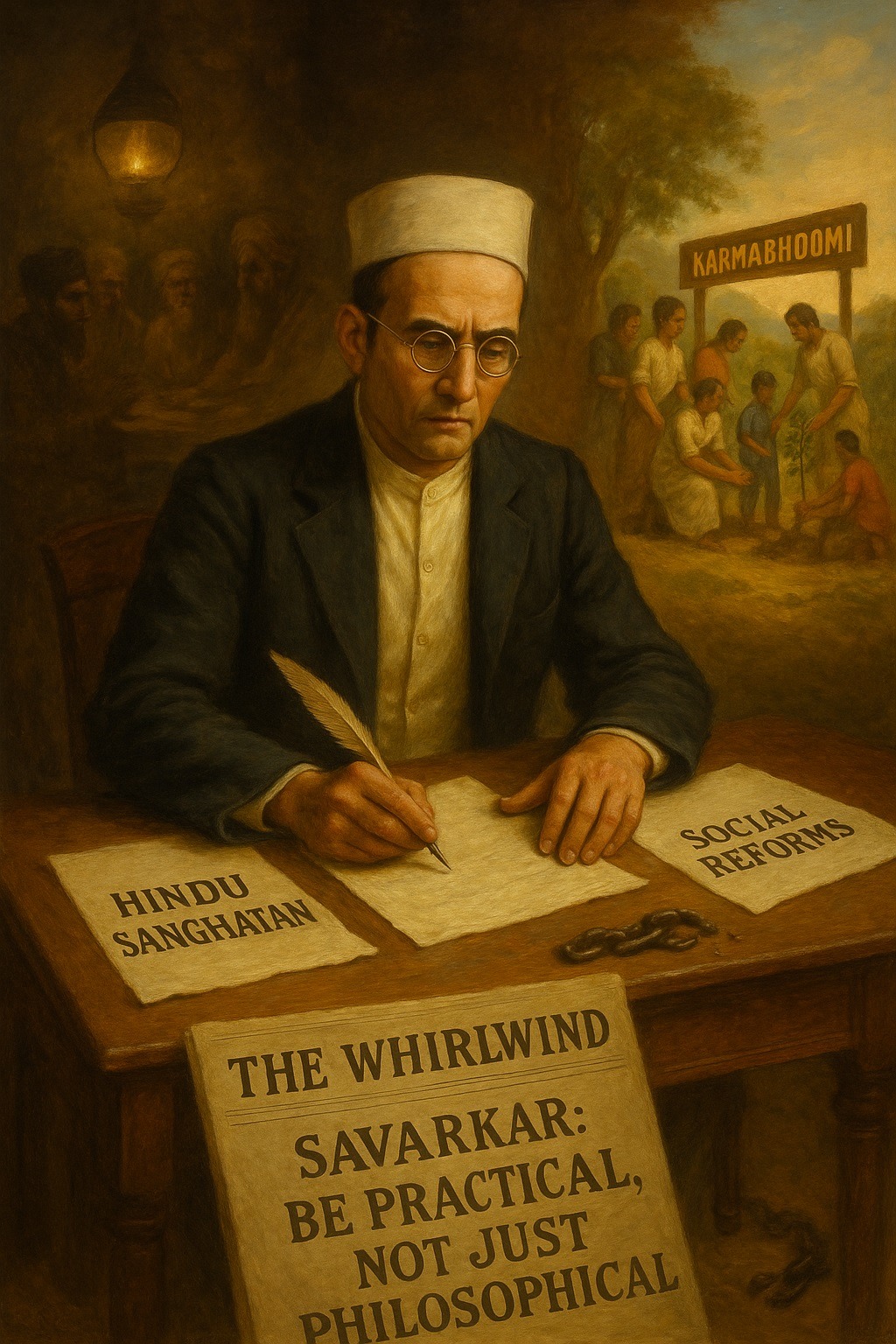
Savarkar’s Philosophy & Worldview, Part 11; Savarkar’s Five Philosophical Dimensions (4/6) Vinayak Damodar (Veer) Savarkar is often remembered for his contributions to India’s independence movement, for his activism, historical writings, and bold ideas. Among his many dimensions, his pragmatism stands out as a defining feature of his approach to social, political, and cultural challenges. Savarkar’s…
-

Savarkar’s Coding of Hindutva; Metacode Rashtra, Part 7; Code Territory 6/6); Codeelement Des, Indivisibility of the Territory (2/3) For Vinayak Damodar (Veer) Savarkar, Nepal was far more than a neighboring state. Within his vision of an indivisible Hindu nation, Nepal held a place of central importance. Nepal as the Core of Hindu Rashtra Savarkar saw…
-
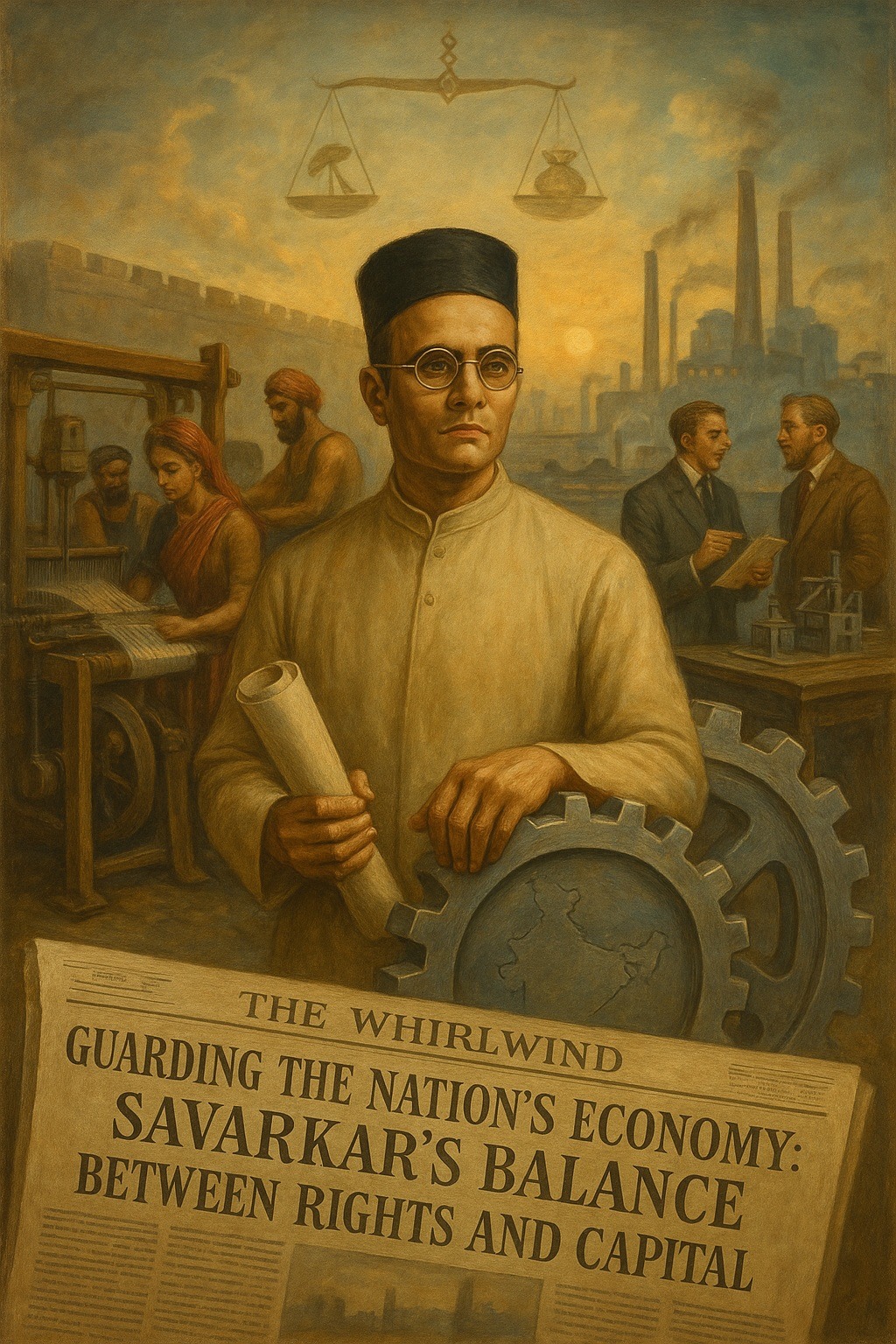
Economic Dimension of Hindutva, Part 10; Savarkar’s Economic Principles (6/13) Economic stability and national prosperity depend on a balanced relationship between industry, labor, and capital. In a thriving economy, workers should fairly partake in the profits of the industry. However, in times of economic downturn, just as capital suffers losses, workers too must be prepared…
-
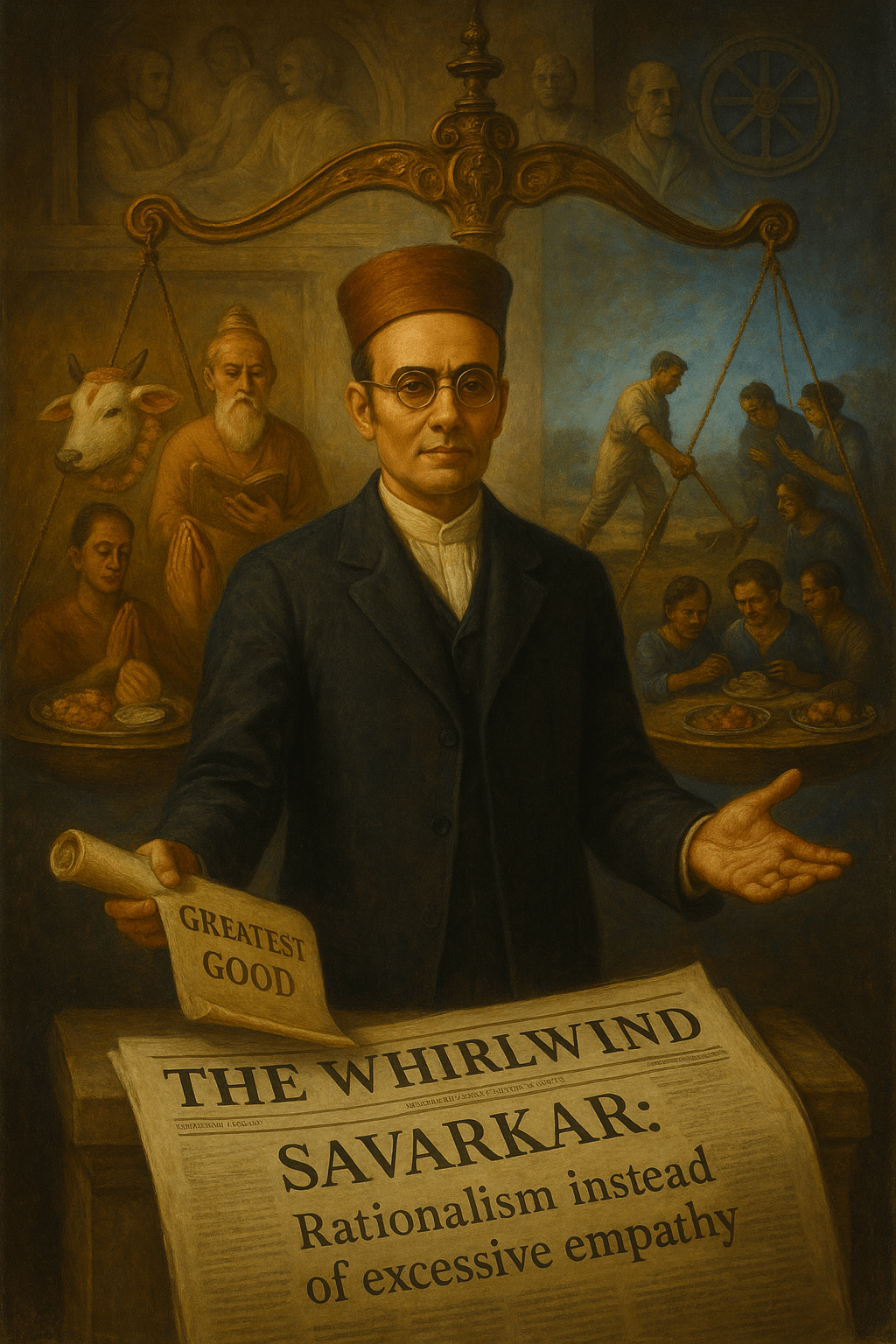
Savarkar’s Philosophy & Worldview, Part 10, Savarkar’s Five Philosophical Dimensions (3/6) Vinayak Damodar (Veer) Savarkar is often remembered for his unflinching advocacy of nationalism, but was also a man of profound philosophical depth and his philosophy encompassed much more than a call for political independence. In this third installment of our exploration of Savarkar’s five…
-
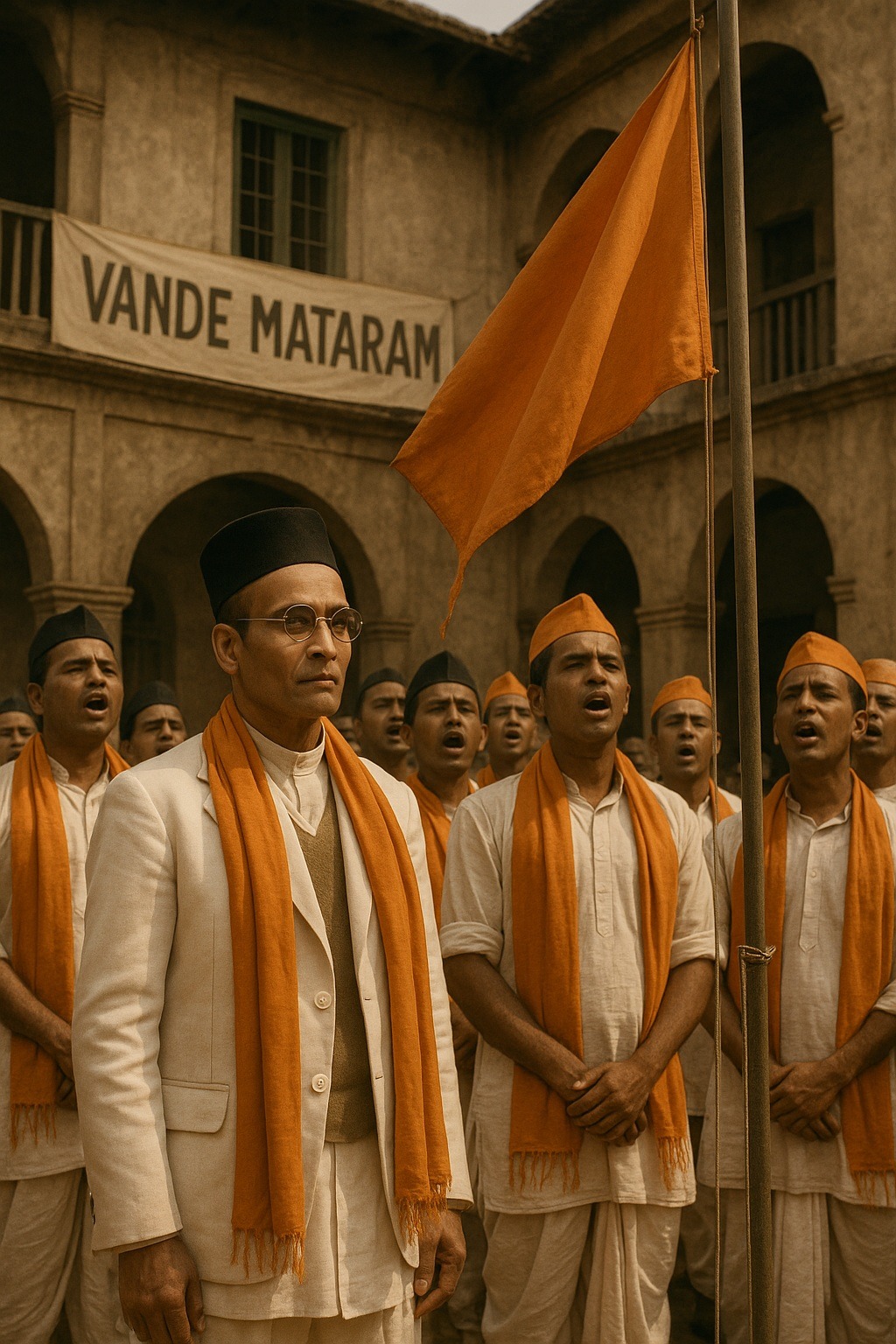
Every year, 7 September is observed as Vande Mataram Day, commemorating the pivotal role of this iconic song in India’s struggle for independence. The date recalls the decision of the Indian National Congress (INC) in 1905 to adopt Vande Mataram at the height of the Swadeshi Movement against the Partition of Bengal. More than a…