Tag: HinduOrthodoxy
-
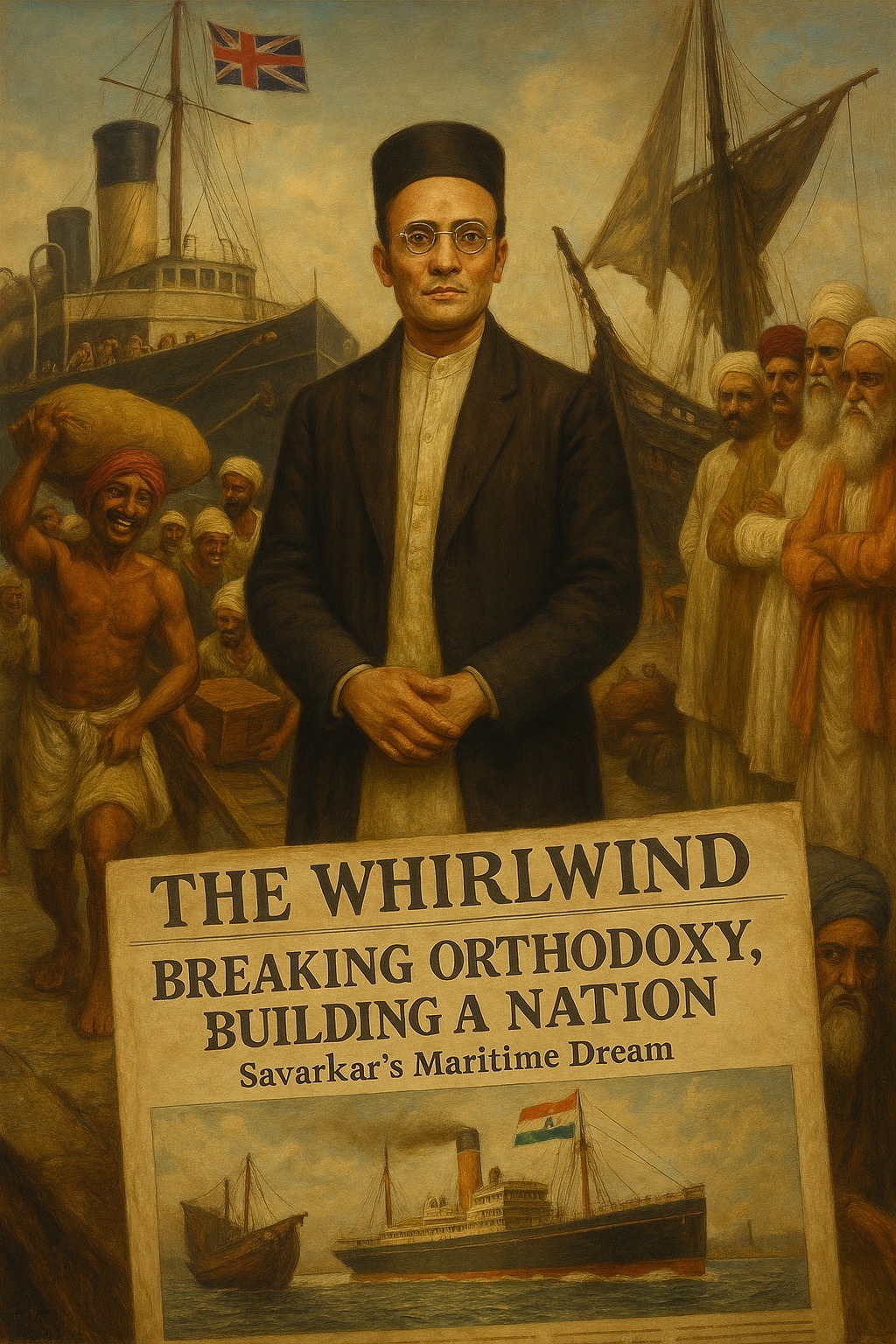
Reform, Resistance, and Ideological Challenges Vinayak Damodar (Veer) Savarkar remains a fascinating and often polarizing figure in Indian history. As we discussed earlier (Part 1), his involvement in the debate surrounding the sea travel ban (Attock Bandi) reveals both his reformist zeal and the challenges he faced in balancing tradition with modernity. While his stance…
-
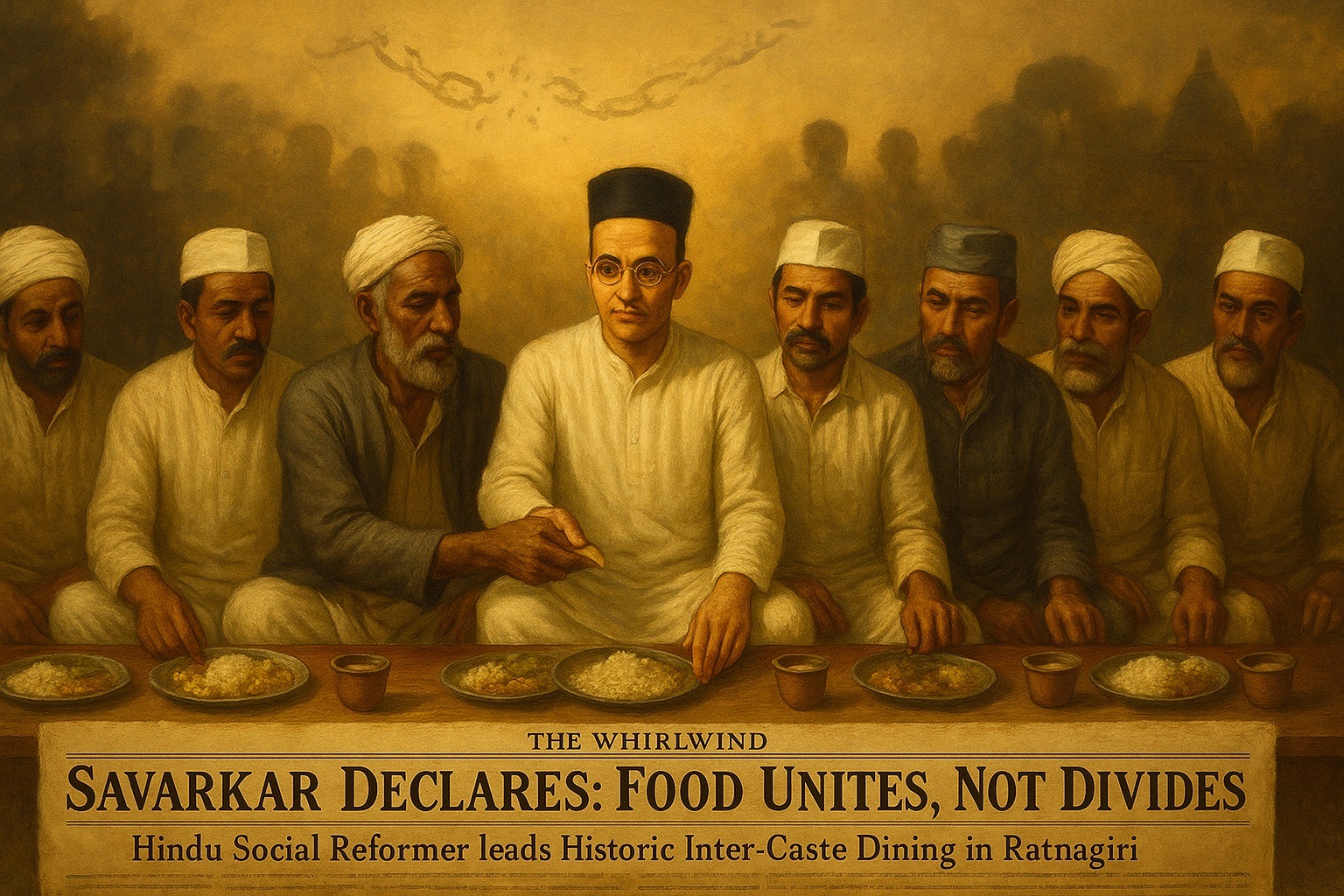
In the battle to eliminate social evils, Vinayak Damodar Savarkar viewed the institution of community eating—or inter-caste dining—as a powerful weapon. This reform was seen by him as essential for dismantling the deeply entrenched barriers of the caste system and addressing the discrimination faced by Untouchables in Hindu society. The caste system, with its rigid…
-

The fight against untouchability has been a cornerstone of India’s social and political reform movements, and one of the most significant contributors to this cause was Vinayak Damodar (Veer) Savarkar. Among the most symbolic actions taken by him in this struggle was the public burning of the Manusmriti, an event that not only captured public…
-
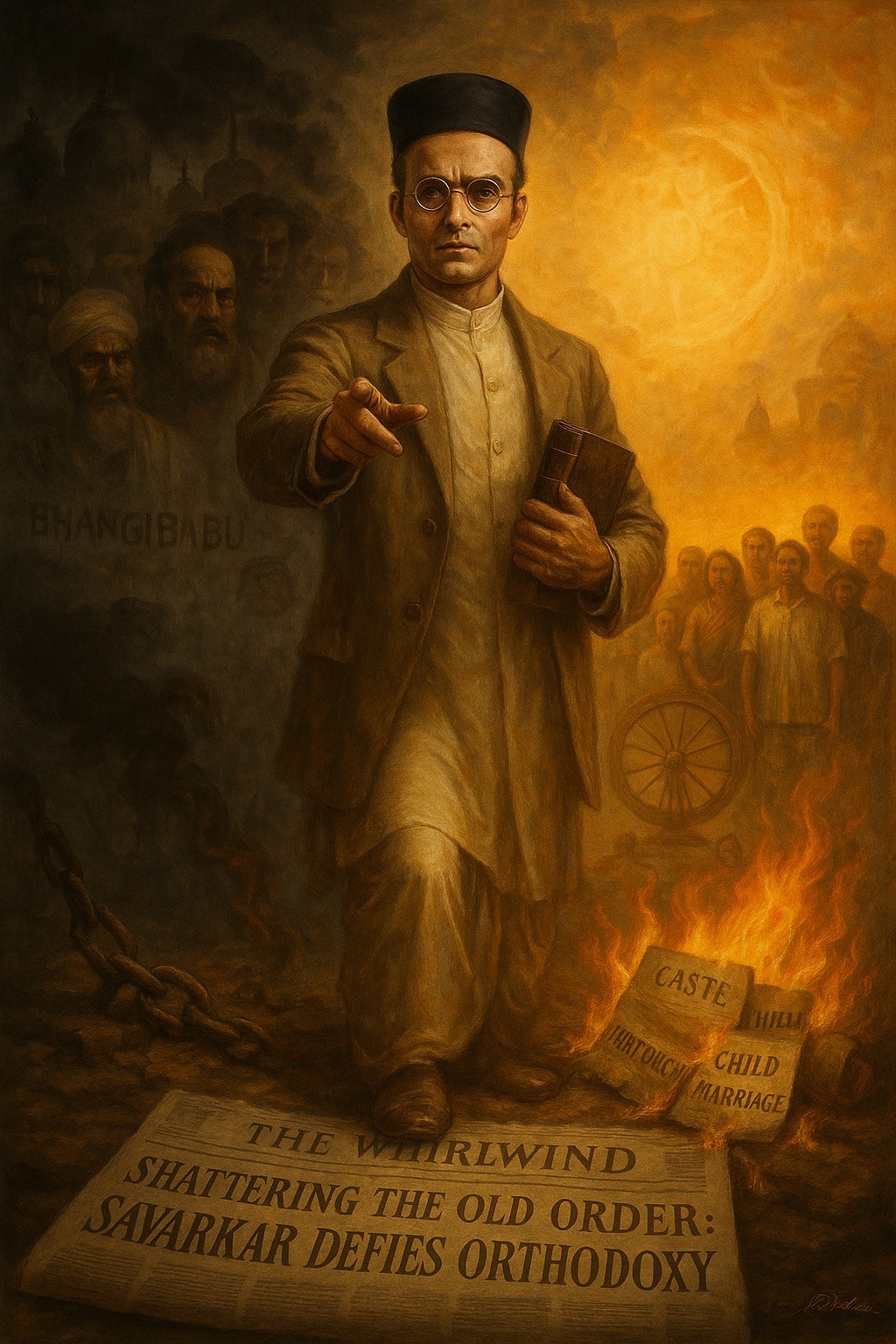
Vinayak Damodar (Veer) Savarkar, a revolutionary thinker and social reformer, played a crucial role in challenging the rigid traditions of Hindu society. During his time in Ratnagiri, he maintained close contact with people from all sections of society and received widespread support—except from one particular group: the Hindu orthodox traditionalists. His relationship with them was…
-
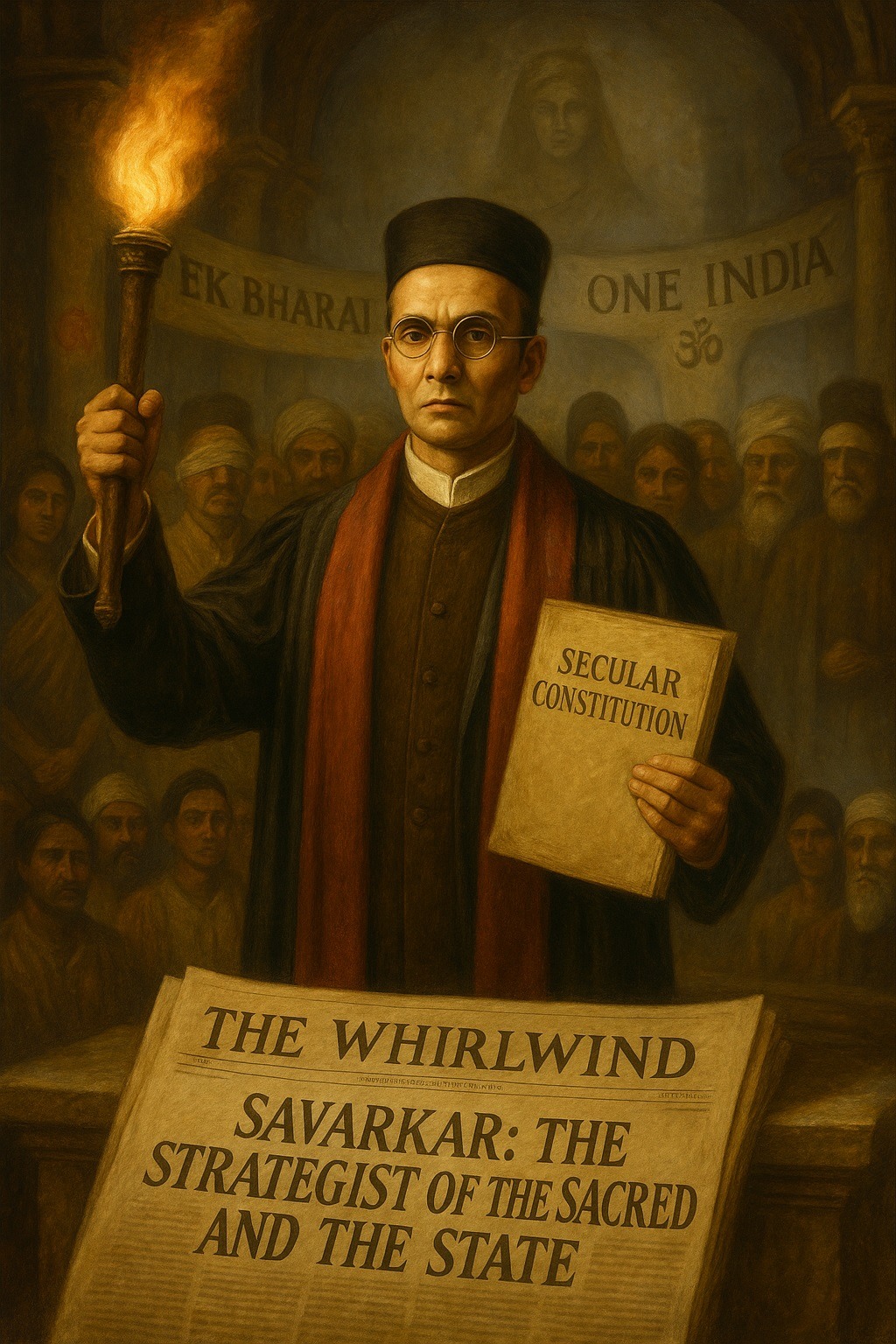
Savarkar’s Philosophy & Worldview, Part 6; Savarkar’s Agnosticism, (3/4) In the ongoing exploration of Vinayak Damodar Savarkar’s ideological framework, his views on the relationship between religion and politics offer a compelling lens through which to understand his agnosticism. While Hinduism undeniably played a central role in Savarkar’s thinking, it was not rooted in spiritual devotion…