
Category: Social-Reformist Dimension
-
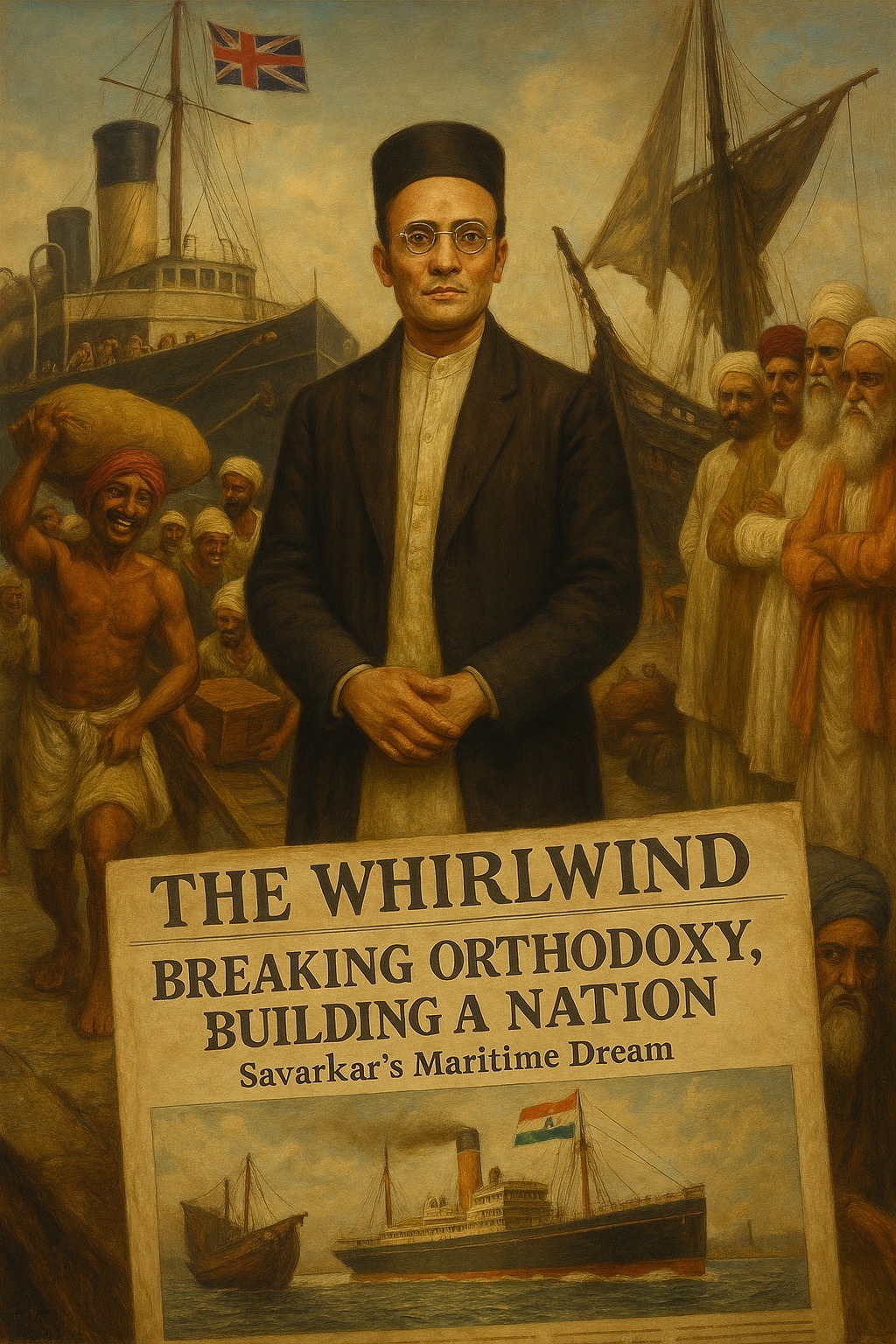
Reform, Resistance, and Ideological Challenges Vinayak Damodar (Veer) Savarkar remains a fascinating and often polarizing figure in Indian history. As we discussed earlier (Part 1), his involvement in the debate surrounding the sea travel ban (Attock Bandi) reveals both his reformist zeal and the challenges he faced in balancing tradition with modernity. While his stance…
-
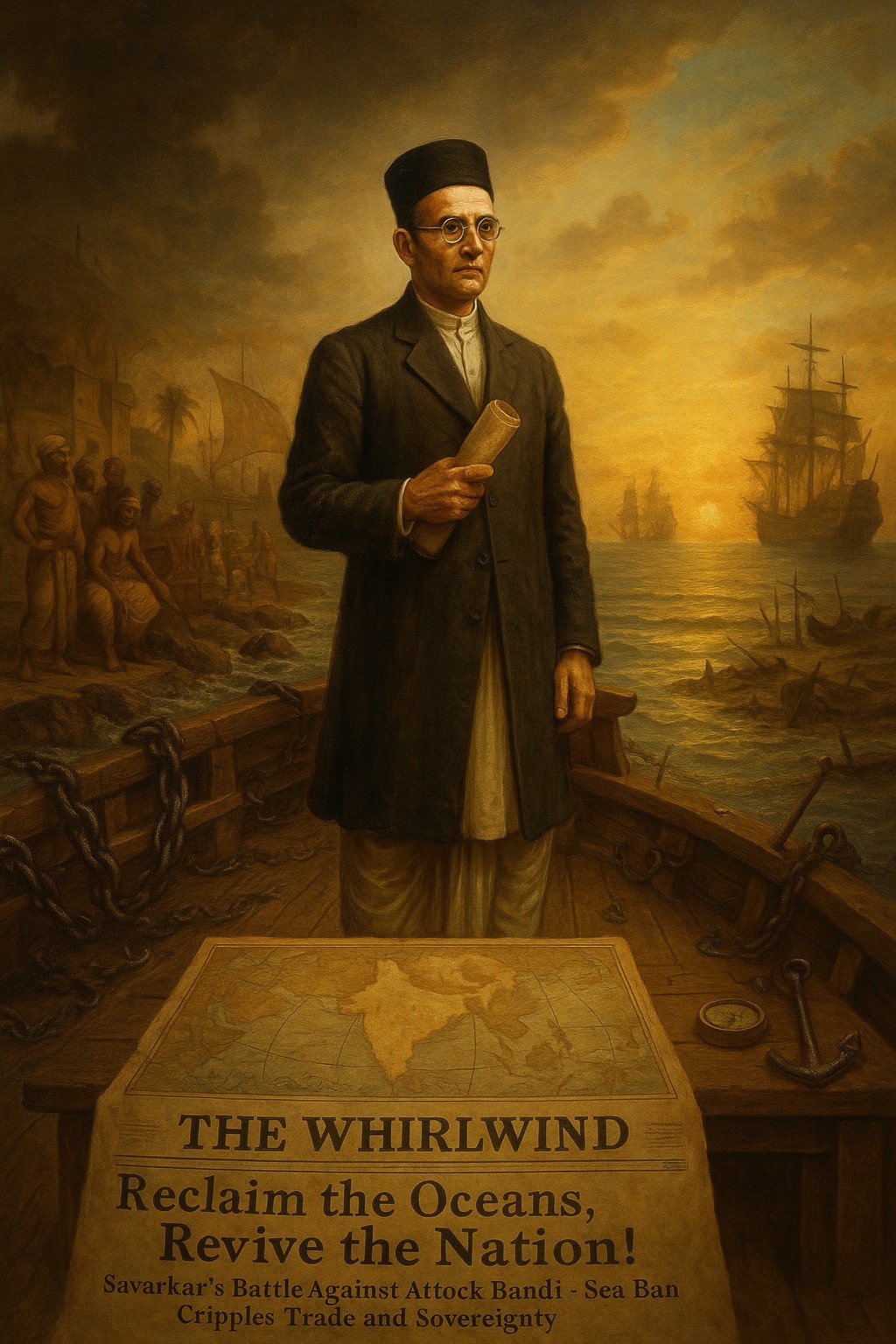
Part 1, A Historical Perspective Introduction In the late 19th century, the question of sea travel—particularly the ban on crossing the seas—became a significant social issue in India. This prohibition, known as Attock Bandi or Sindhu Bandi, was not only a religious and social restriction but also one that severely hindered the political, economic, and…
-
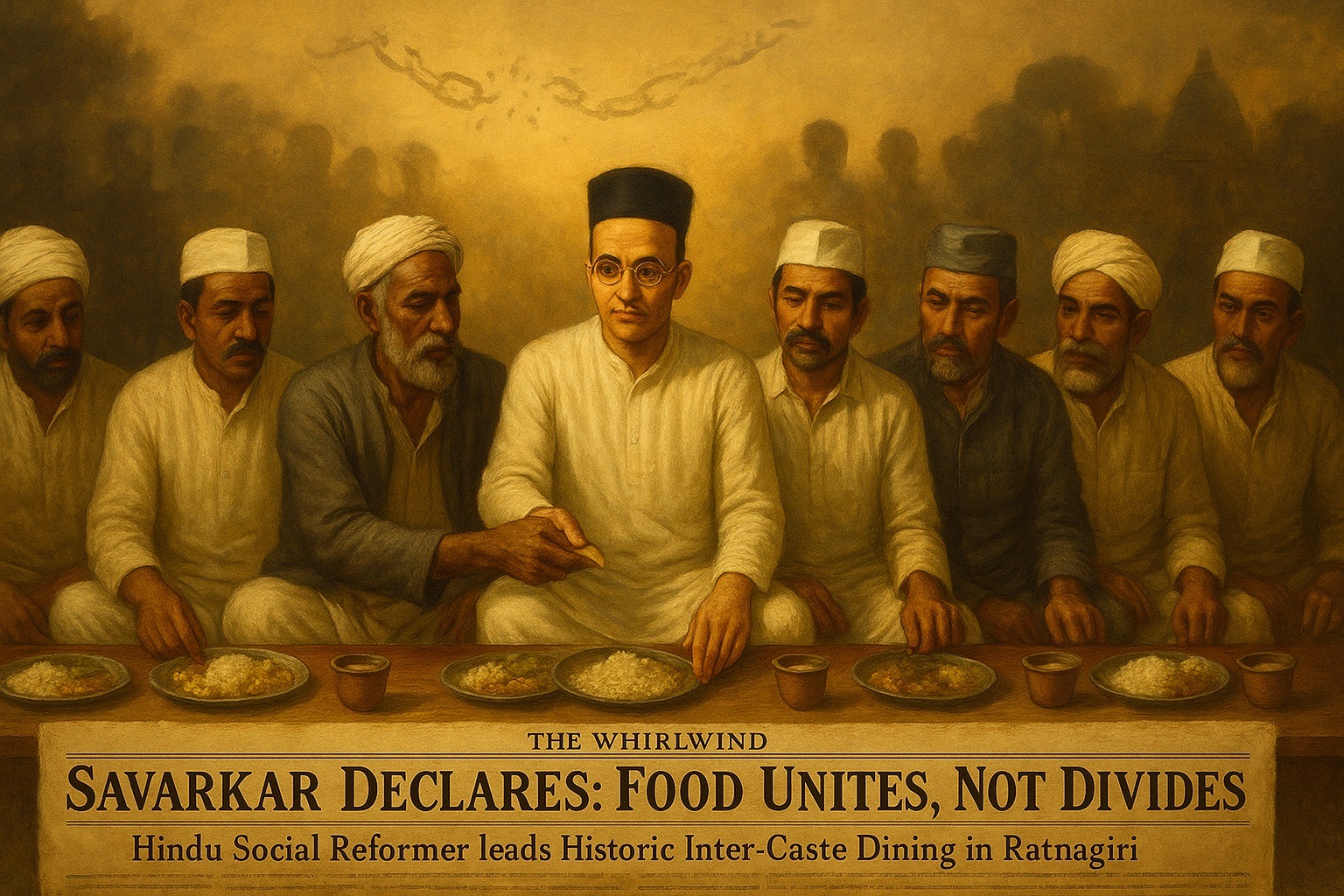
In the battle to eliminate social evils, Vinayak Damodar Savarkar viewed the institution of community eating—or inter-caste dining—as a powerful weapon. This reform was seen by him as essential for dismantling the deeply entrenched barriers of the caste system and addressing the discrimination faced by Untouchables in Hindu society. The caste system, with its rigid…
-

In the deeply stratified caste-based society of India, untouchability was more than a social stigma—it was a form of systemic exclusion that dictated every interaction between communities. One of the most visible and personal manifestations of this discrimination was the denial of access to private homes. For centuries, Untouchables were not allowed to step into…
-

The fight against untouchability has been a cornerstone of India’s social and political reform movements, and one of the most significant contributors to this cause was Vinayak Damodar (Veer) Savarkar. Among the most symbolic actions taken by him in this struggle was the public burning of the Manusmriti, an event that not only captured public…
-

One of Vinayak Damodar (Veer) Savarkar’s most significant contributions to social reform in India was his active fight against the deeply ingrained practice of untouchability. Besides Savarkar’s Vitthal Temple Entry Movement, another remarkable milestone in this campaign was the founding of the Patit-Pawana-Mandir (Temple of the Redeemed) in Ratnagiri, a powerful symbol of inclusion and…
-
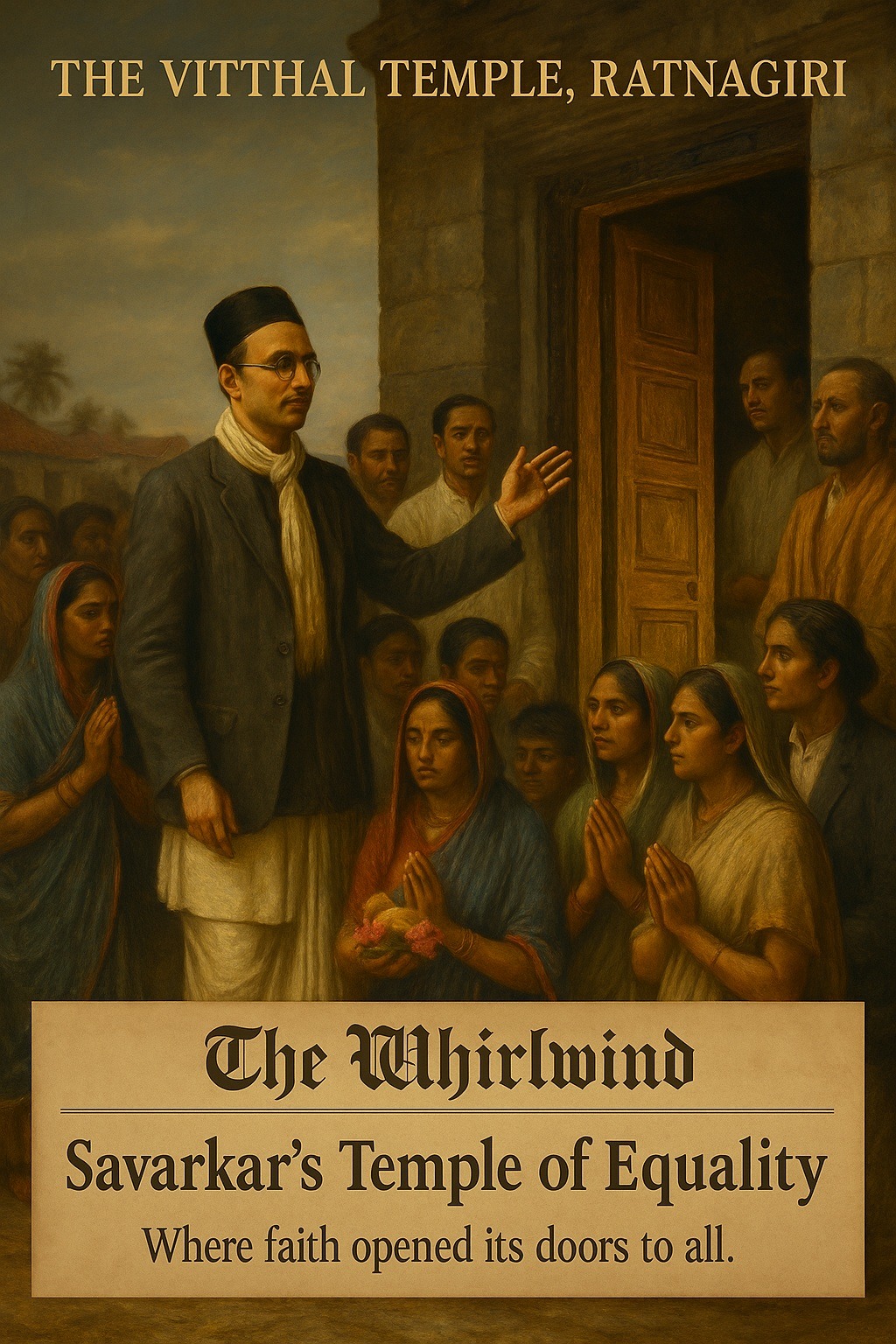
The Vitthal Temple in Ratnagiri, located in Maharashtra’s Konkan region, became one of the most symbolically charged sites in early 20th-century Hindu social reform. Dedicated to Lord Vitthal (‘Vithoba’) – a form of Vishnu-Krishna revered as the deity of the common people – the temple held both religious and social significance for the local Hindu…
-
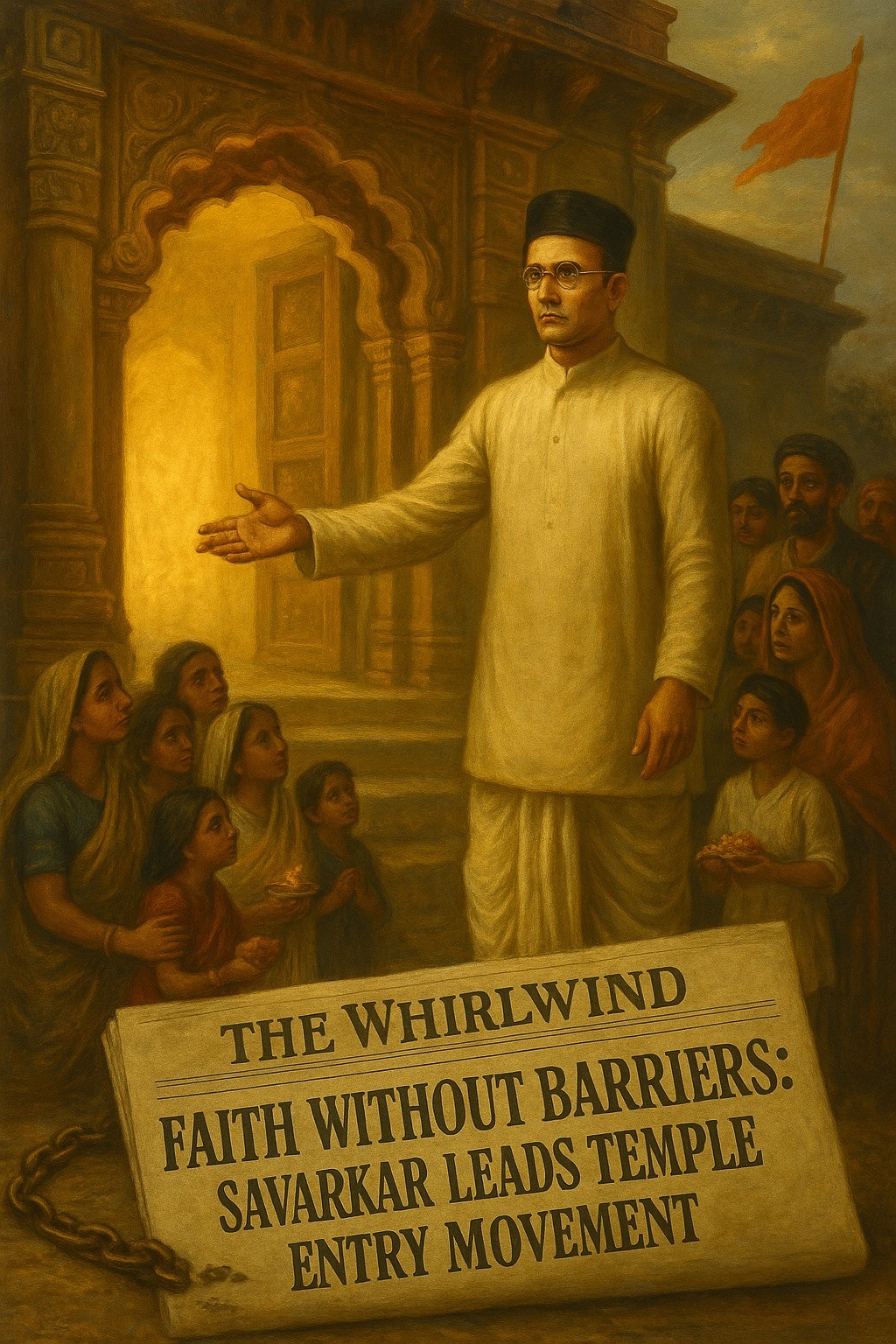
Savarkar’s Struggle Against Untouchability, Part III In pre-colonial India, the caste system established a deeply entrenched hierarchy that confined individuals to rigid social categories. Among its harshest expressions was the exclusion of the so-called Untouchables from Hindu temples. The larger and wealthier the temple, the more uncompromising the restrictions. For centuries, such practices persisted unchallenged,…
-
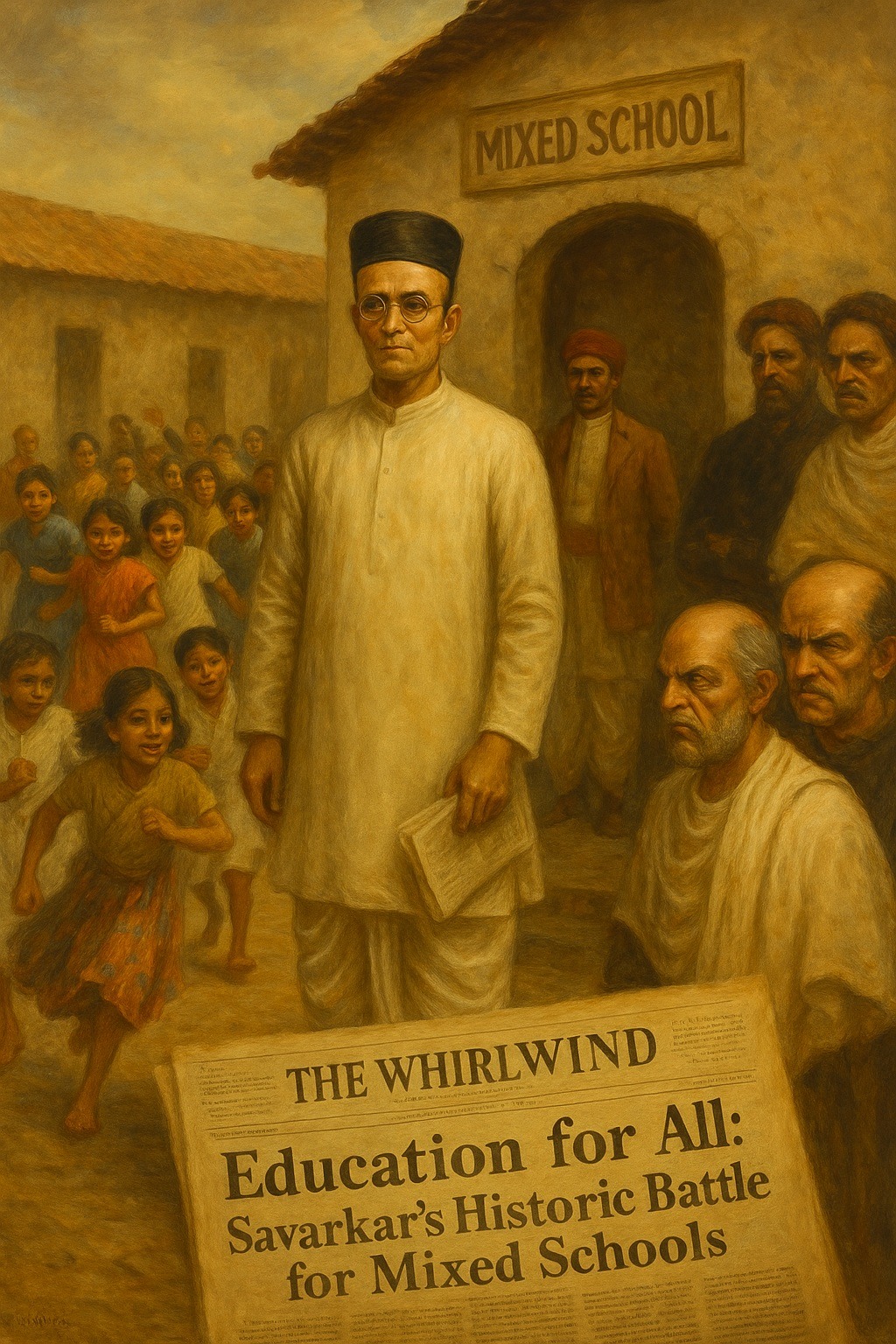
Savarkar’s Struggle Against Untouchability, Part II Among the many aspects of Vinayak Damodar (Veer) Savarkar’s reformist thought, his campaign against untouchability stands out as a crucial yet often neglected chapter. During his confinement in Ratnagiri, Savarkar directed his intellectual and organisational energy toward addressing what he regarded as one of the gravest internal weaknesses of…
-
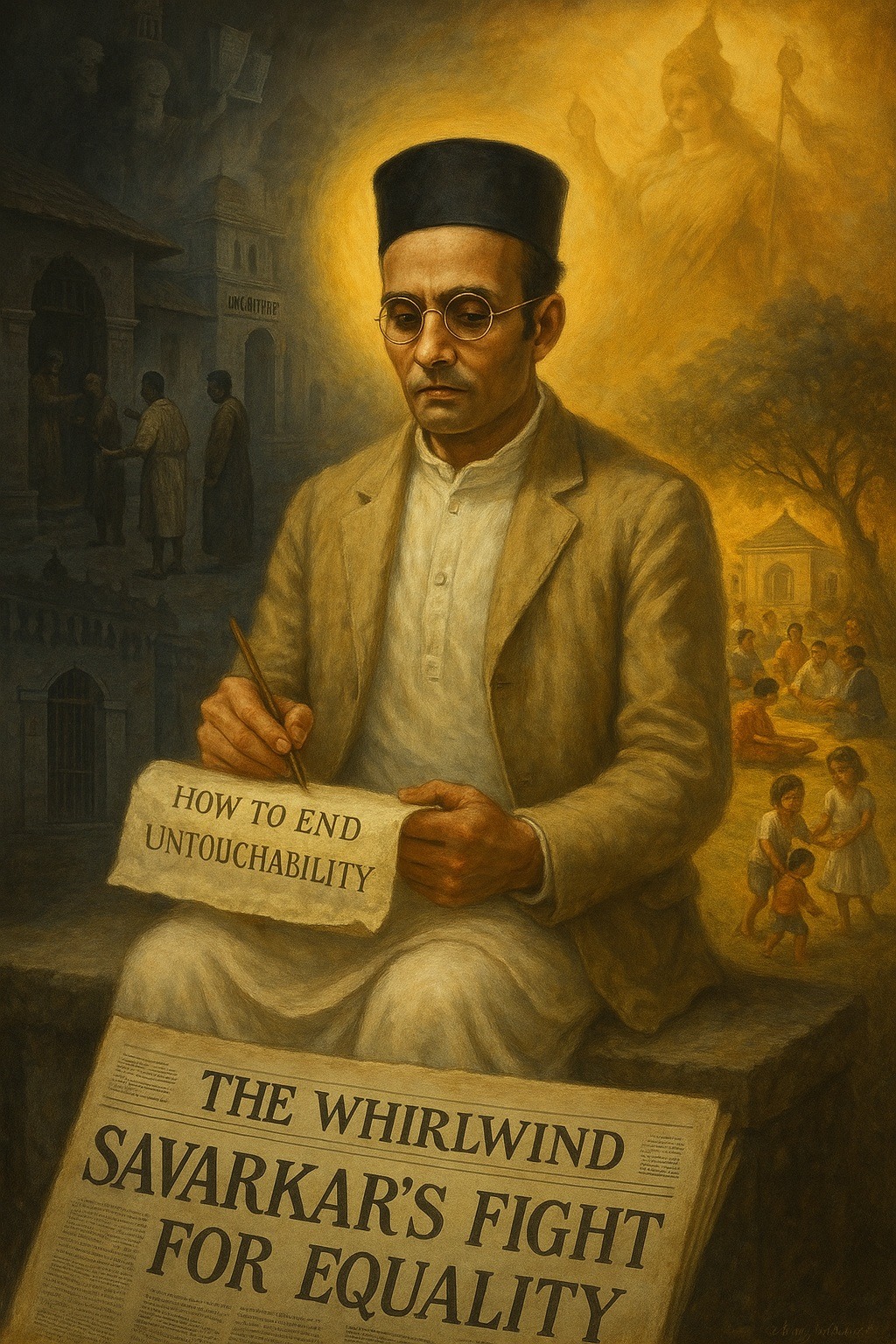
Savarkar’s Struggle Against Untouchability, Part I Vinayak Damodar (Veer) Savarkar is often celebrated as one of India’s most fearless revolutionaries and intellectual architects of national liberation. Yet, beyond his political vision and militant struggle for independence, there lies another profound dimension of his legacy – his fight against untouchability. During his years of confinement in…