
Category: Economic Dimension
-

Economic Dimension of Hindutva, Part 11; Savarkar’s Economic Principles (7/13) Introduction: Economic Development as a Pillar of National Progress Economic development has always stood at the heart of national progress, shaping the strength and sovereignty of a nation. Among the many debates surrounding economic strategy, one of the most enduring concerns the role of the…
-
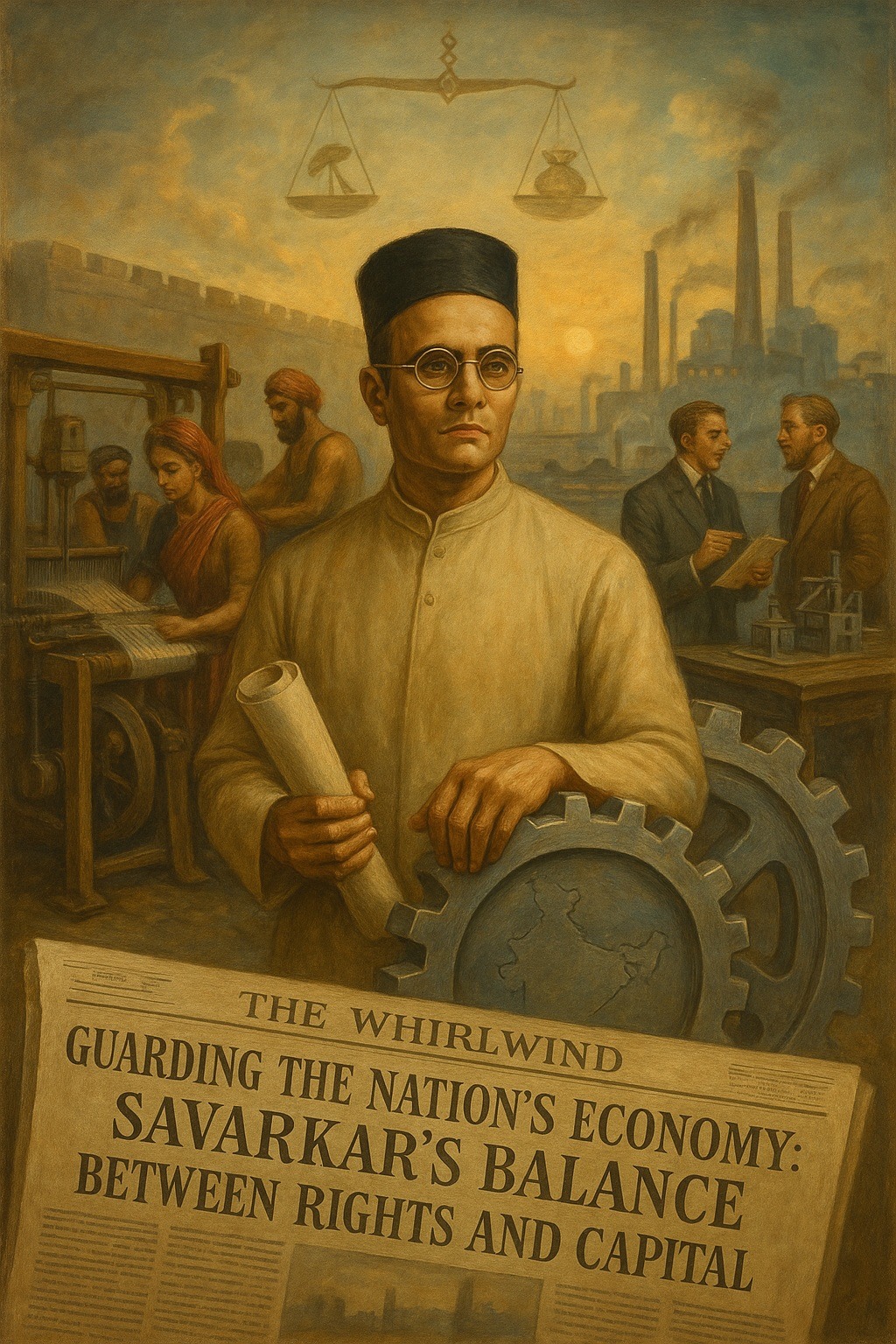
Economic Dimension of Hindutva, Part 10; Savarkar’s Economic Principles (6/13) Economic stability and national prosperity depend on a balanced relationship between industry, labor, and capital. In a thriving economy, workers should fairly partake in the profits of the industry. However, in times of economic downturn, just as capital suffers losses, workers too must be prepared…
-
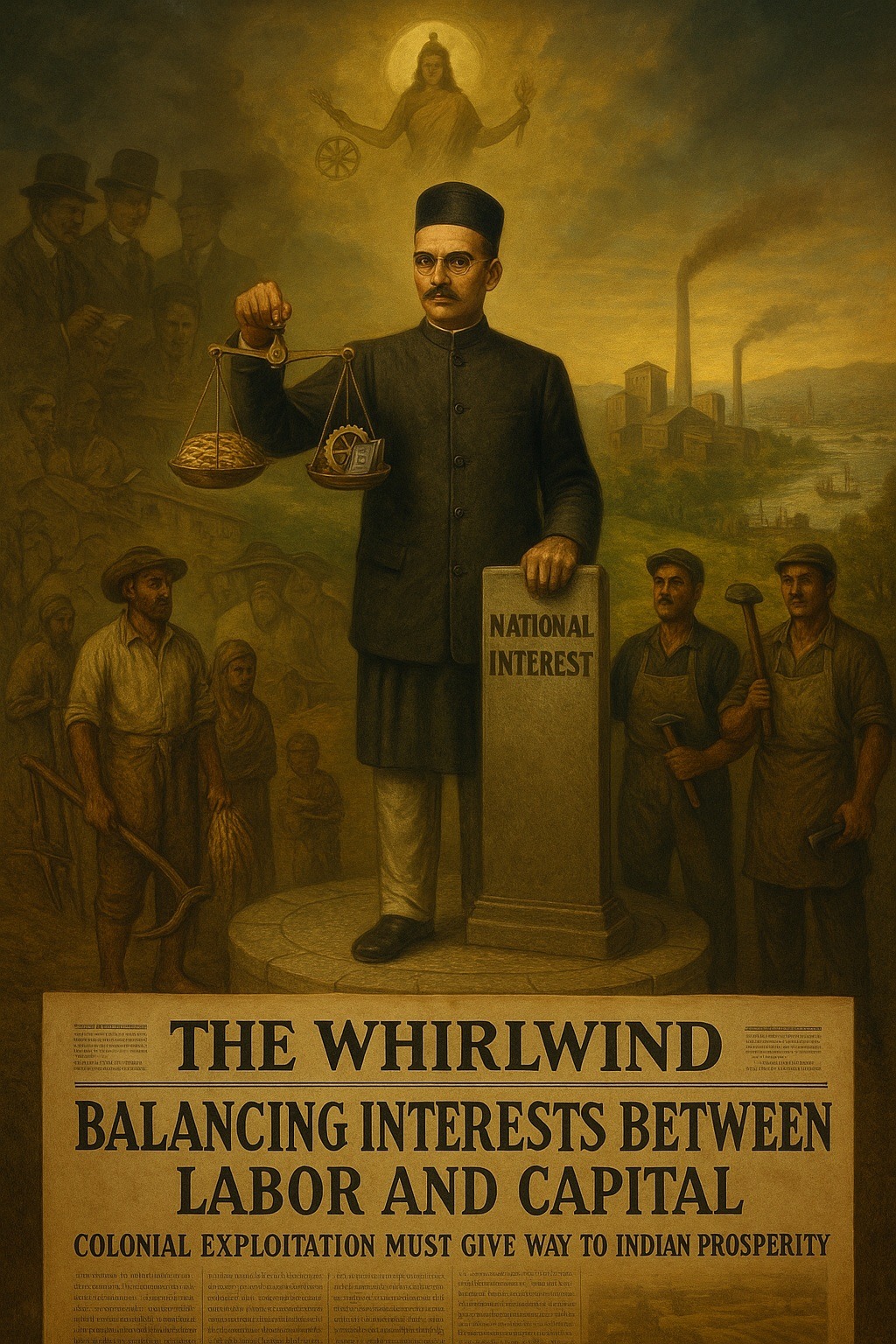
Economic Dimension of Hindutva, Part 9; Savarkar’s Economic Principles (5/13) The balance between labor and capital has long been a subject of debate in economic and political thought. Vinayak Damodar (Veer) Savarkar, known for his nationalist and revolutionary ideas, also put forward an economic perspective that sought to harmonize the interests of labor and capital…
-
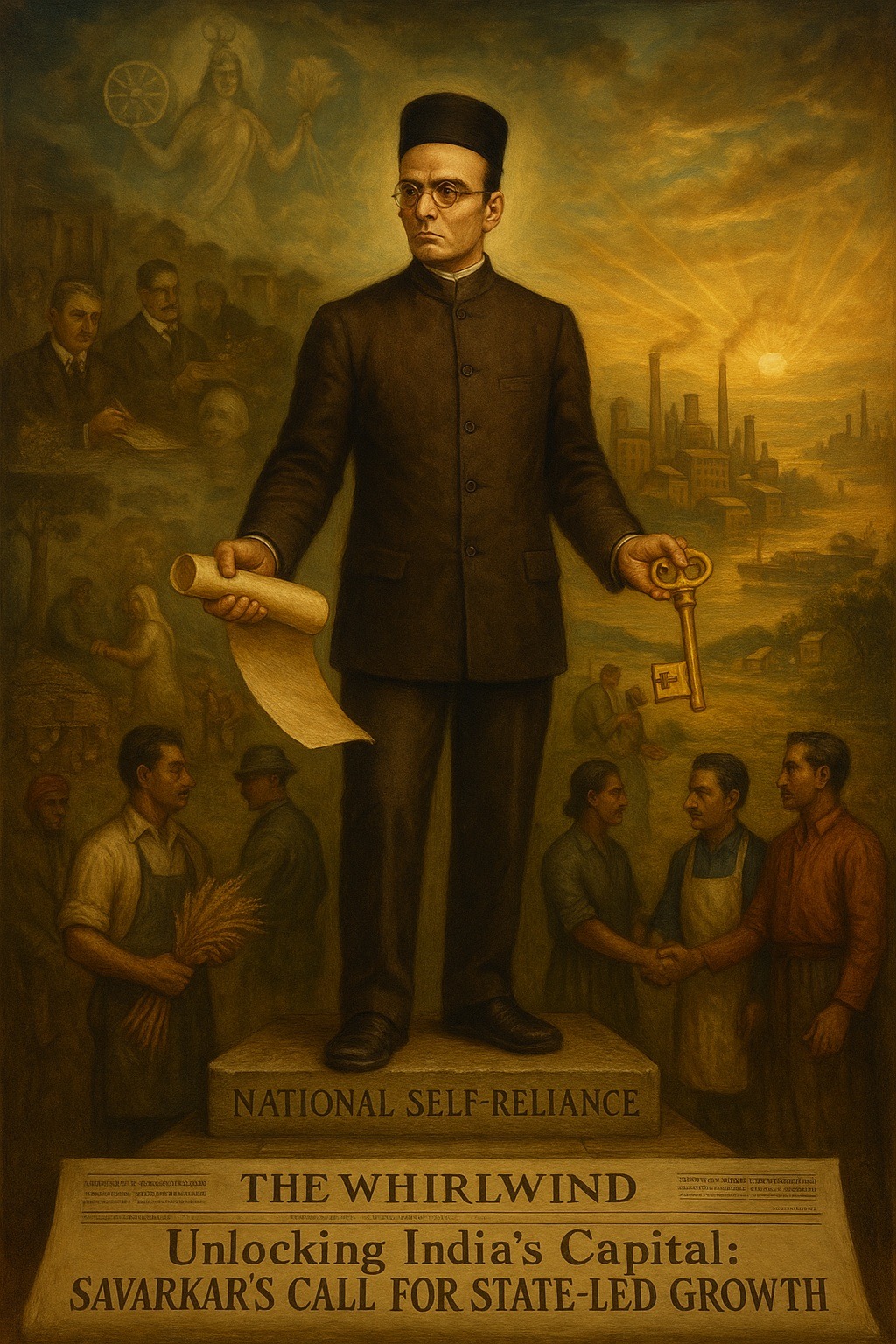
Economic Dimension of Hindutva, Part 8; Savarkar’s Economic Principles (4/13) The economic trajectory of a nation is often shaped by its government’s role in capital accumulation and investment direction. In colonial India, where capital largely remained in private hands, Vinayak Damodar (Veer) Savarkar saw an essential role for the state in fostering national industries. He…
-
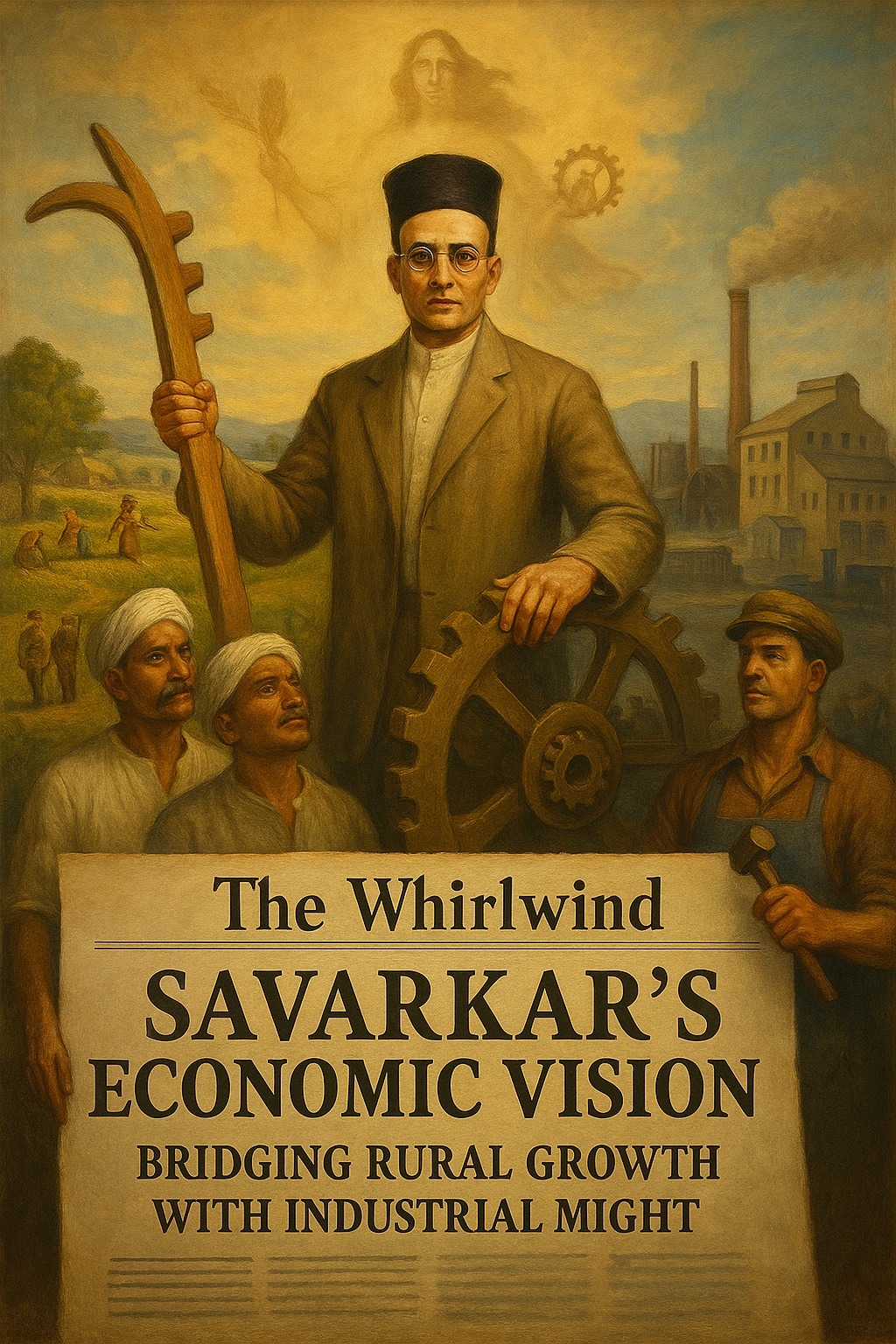
Economic Dimension of Hindutva, Part 7; Savarkar’s Economic Principles (3/13) India’s economic foundation has long been rooted in agriculture, with rural communities playing a pivotal role in the nation’s progress. Vinayak Damodar (Veer) Savarkar, a visionary thinker and nationalist, recognized the indispensable contribution of the peasantry and the working class. He believed that empowering these…
-
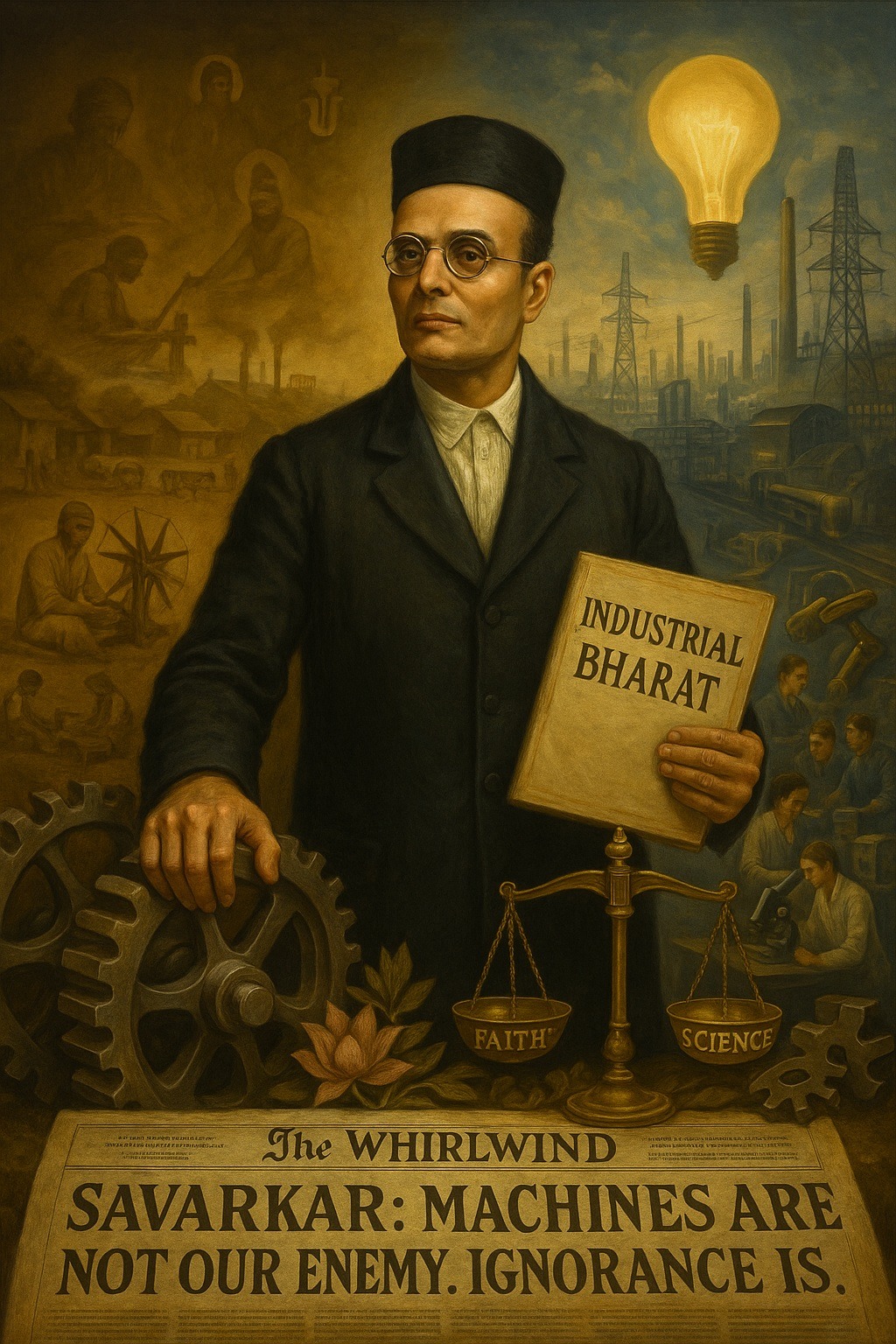
Economic Dimension of Hindutva, Part 6; Savarkar’s Economic Principles (2/13) Vinayak Damodar (Veer) Savarkar was not just a political thinker and revolutionary; he was also a strong advocate for technological progress. At a time when Indian society was grappling with the impact of modernization, Savarkar made a passionate appeal to his compatriots to welcome the…
-
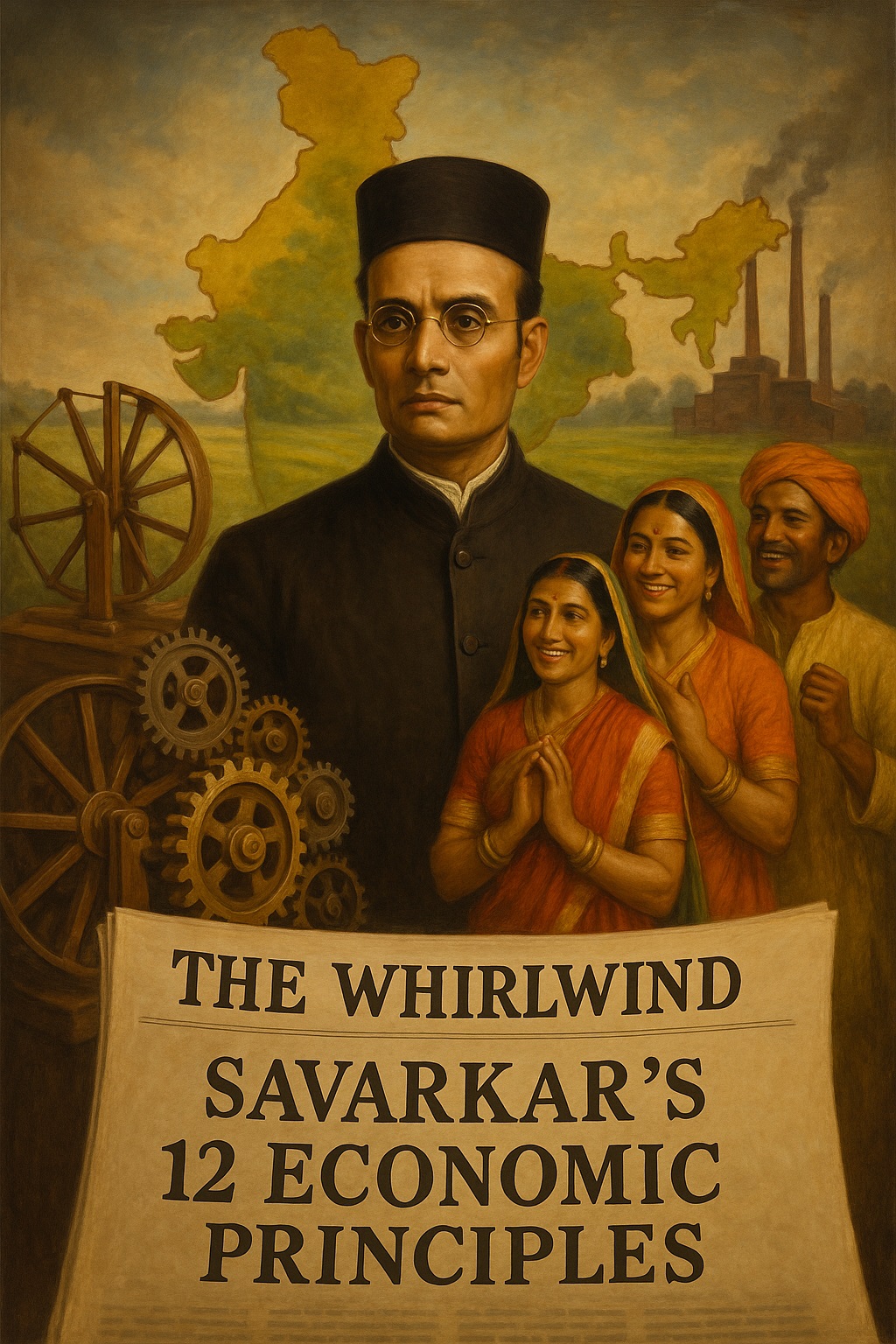
Economic Dimension of Hindutva, Part 5; Savarkar’s Economic Principles (1/13) The economic dimension of the Hindutva ideology is often overlooked in discussions dominated by its political and cultural aspects. However, the economic program articulated by Savarkar, particularly through his “12 Principles,” is crucial to understanding his vision for India’s future. These principles were presented during…
-
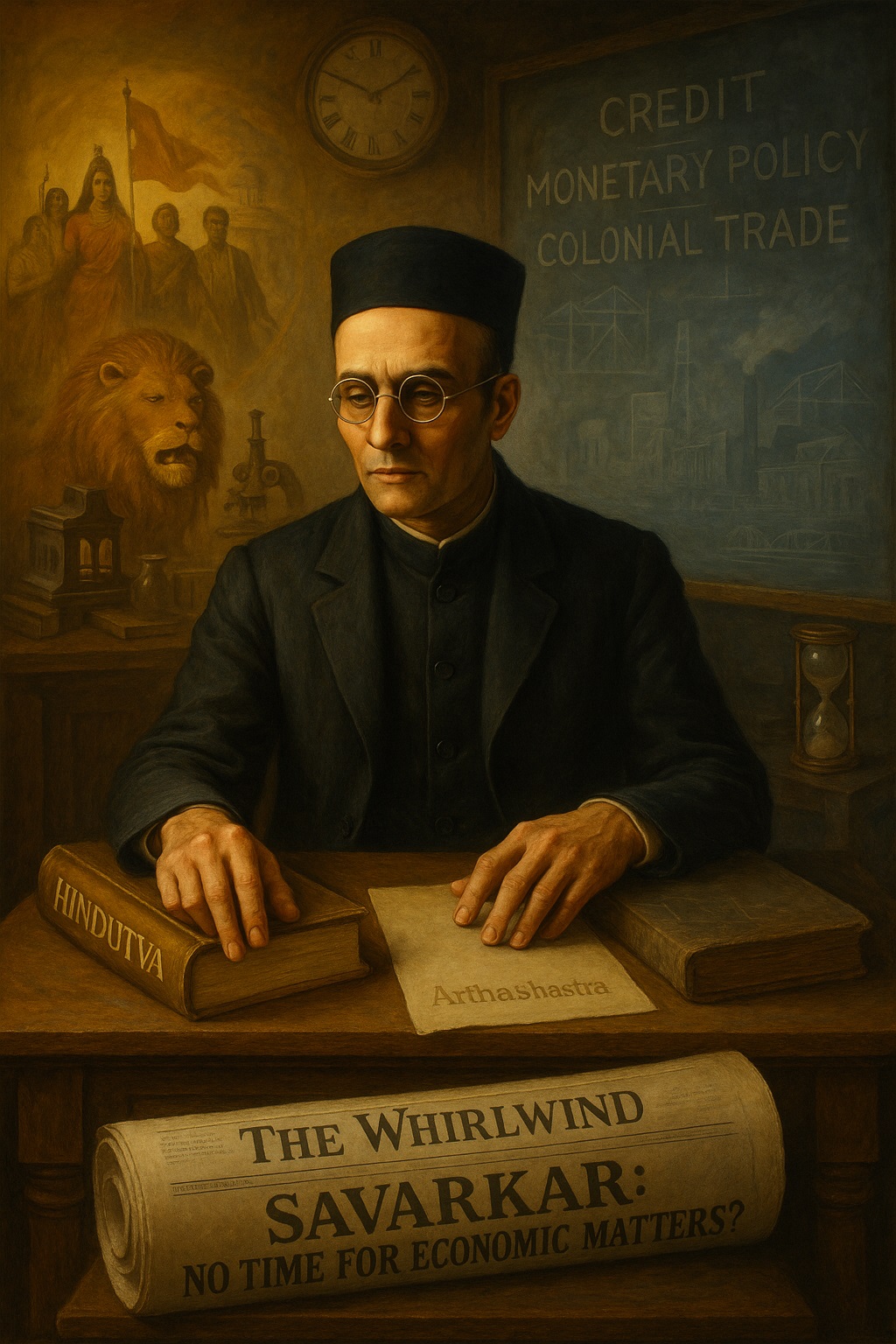
Economic Dimension of Hindutva, Part 4 Vinayak Damodar Savarkar is often remembered for his strong ideological stance on nationalism, Hindutva, and socio-political issues. However, when it comes to the realm of economic policy, his contributions and ideas have remained largely under-explored. This is perhaps surprising, given that Savarkar, in his vision for the Hindu Rashtra…
-
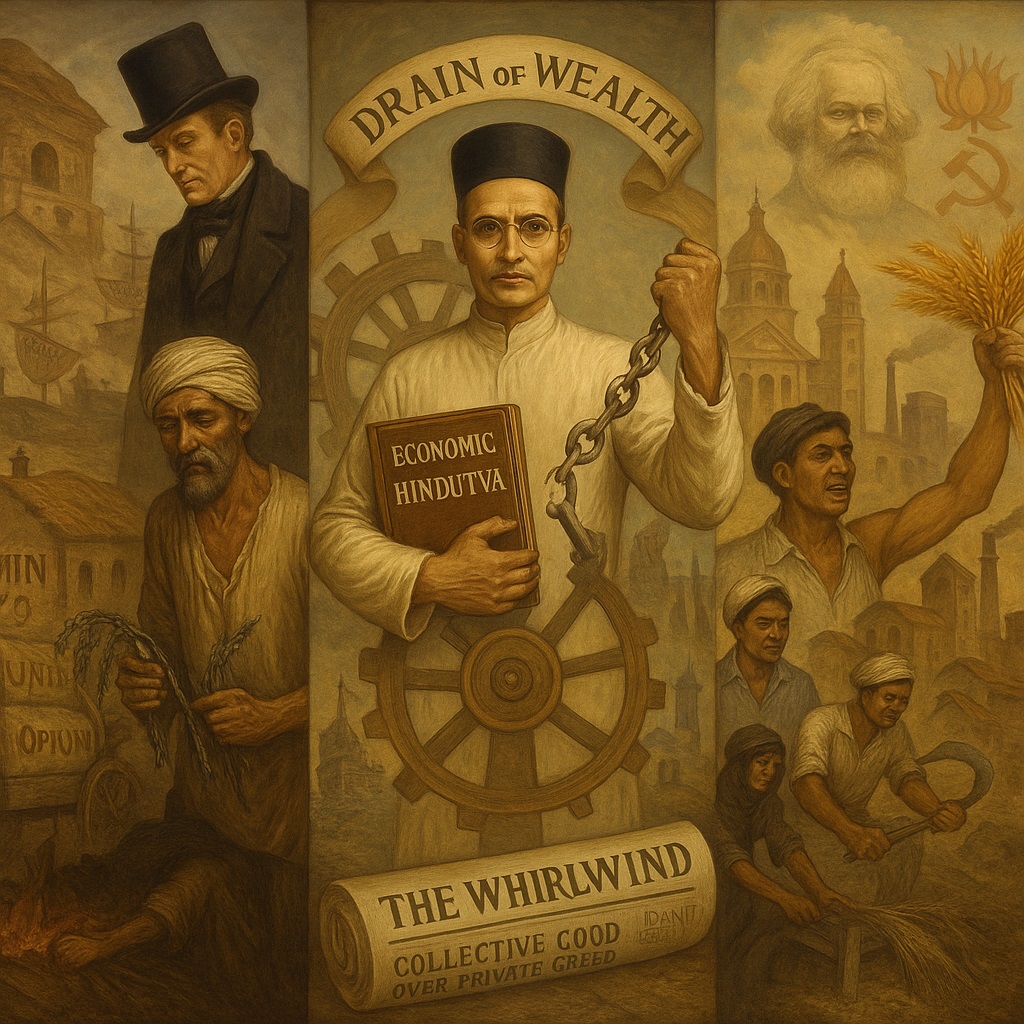
Economic Dimension of Hindutva, Part 3 The historical context of India’s colonial experience under British rule offers a complex narrative of economic distress, cultural shifts, and political movements. Among the Indian nationalists who fought against foreign domination, many turned to socialism as a potential solution to the severe economic challenges facing the nation. They believed…
-
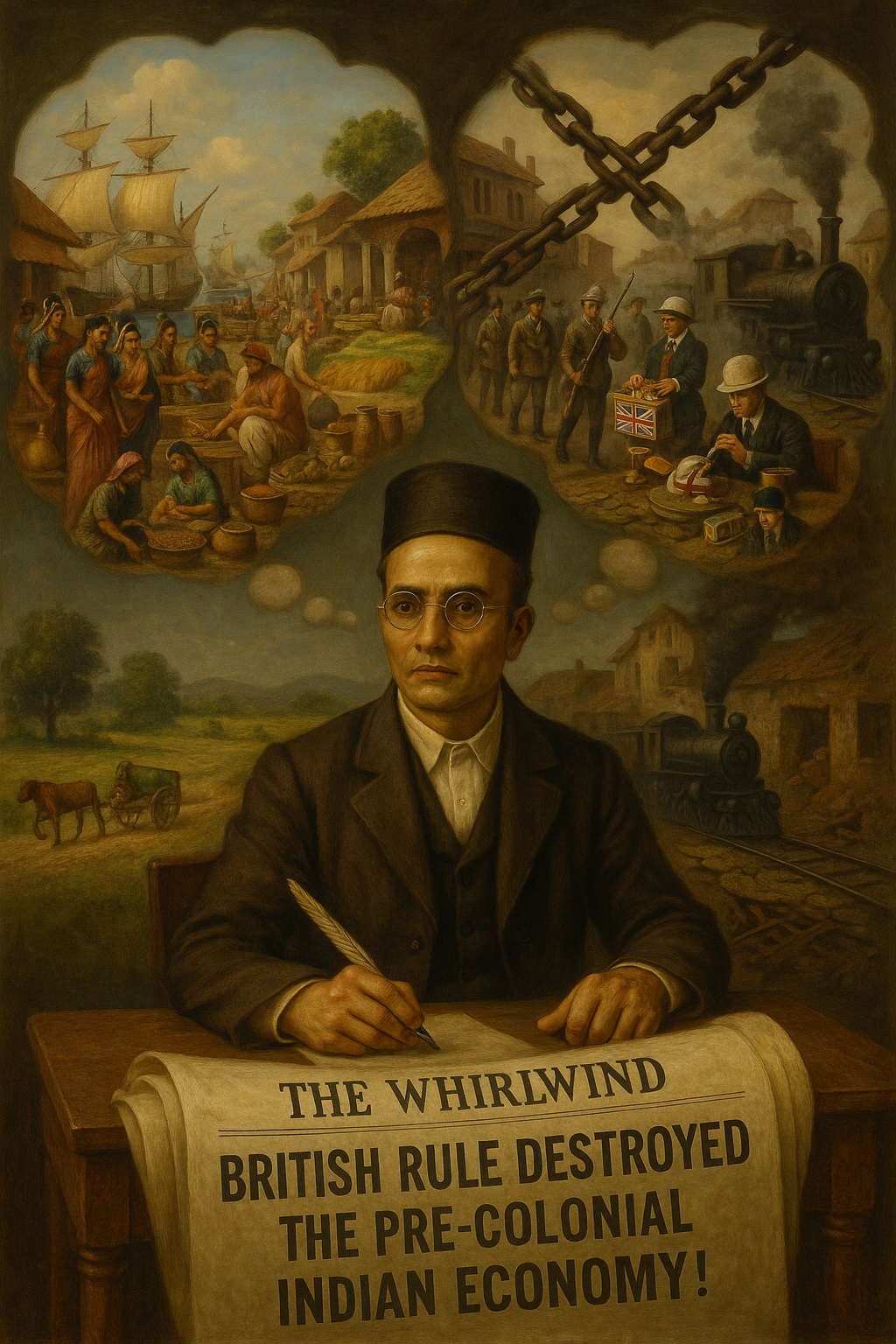
Economic Dimension of Hindutva, Part 2 The economic history of India under British colonial rule (British Raj) remains a subject of significant debate, especially when viewed through the lens of a nationalist perspective. Nationalists have long argued that British colonialism destroyed or severely deformed a flourishing pre-colonial Indian economy, which had been progressing smoothly before…